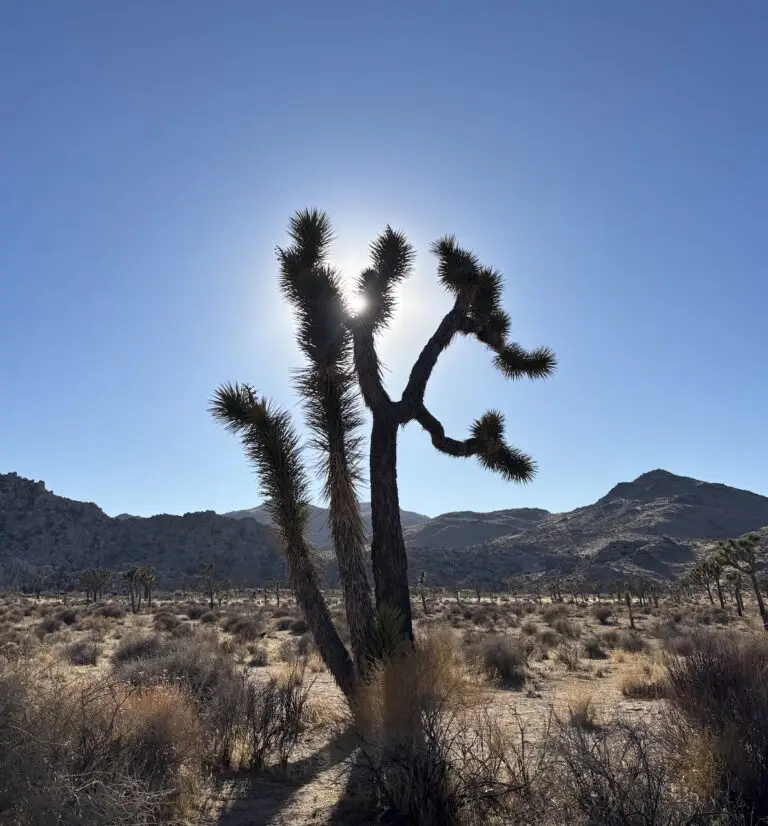
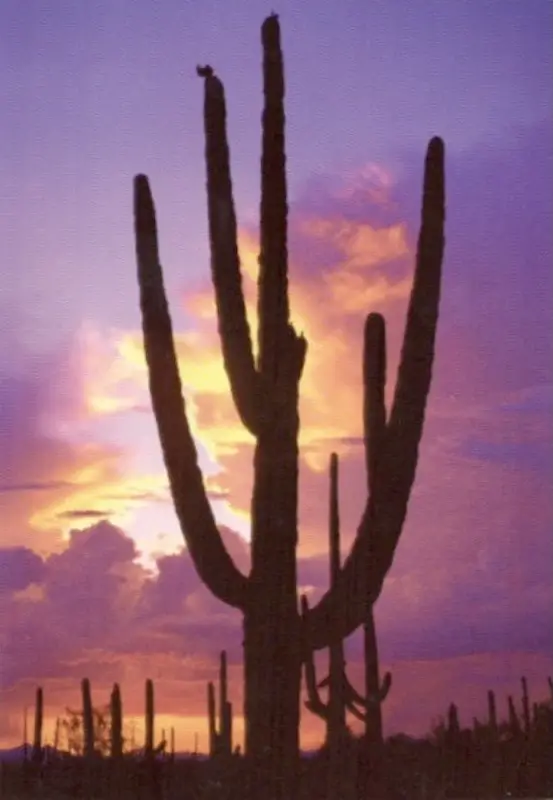
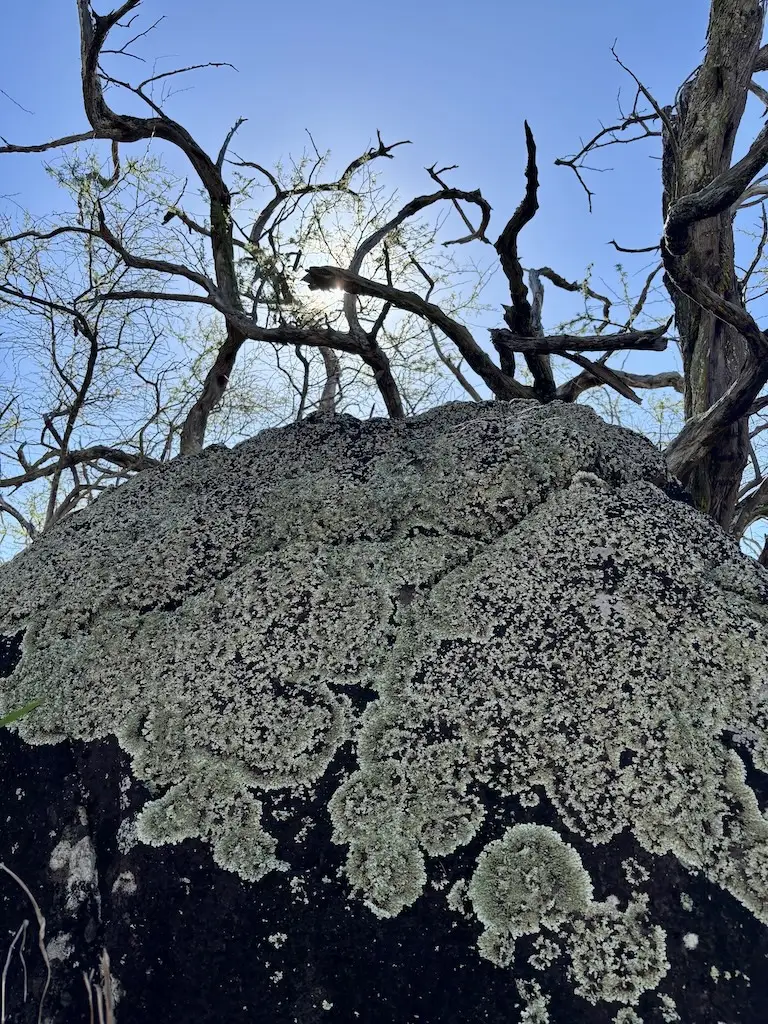
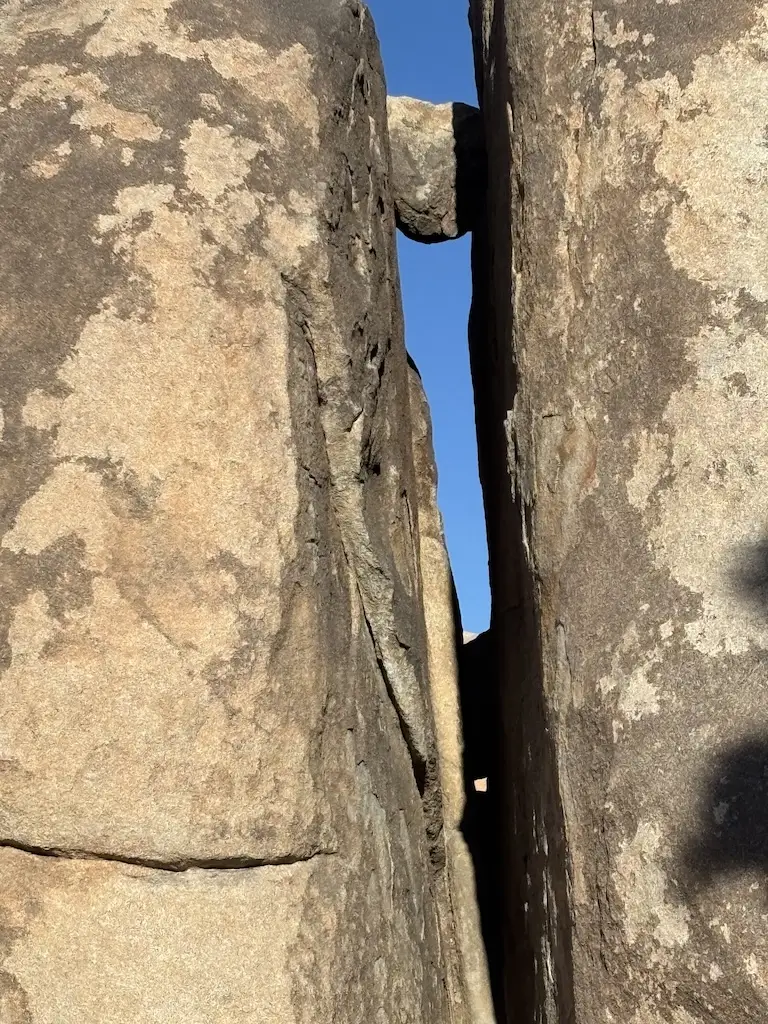
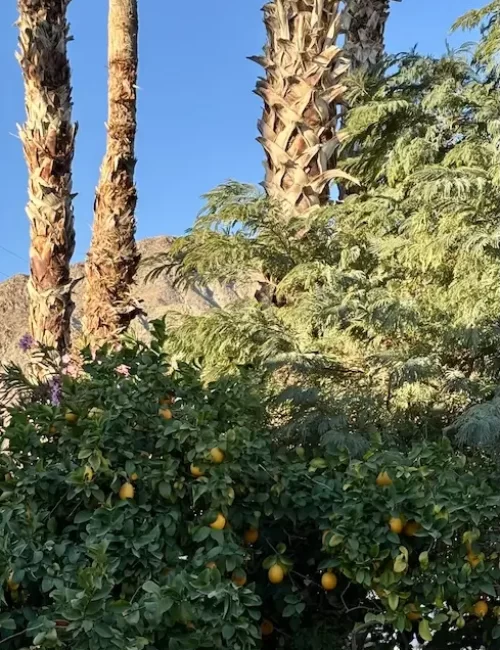
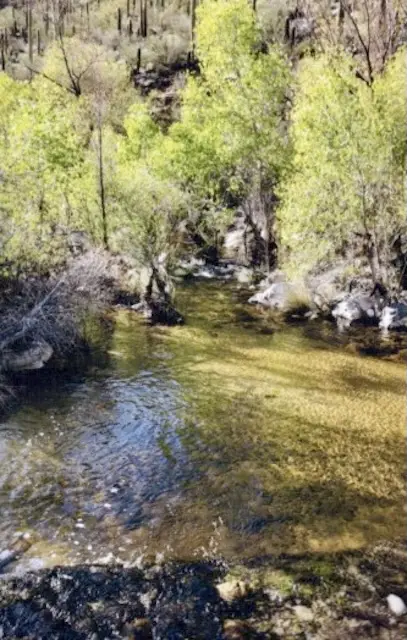
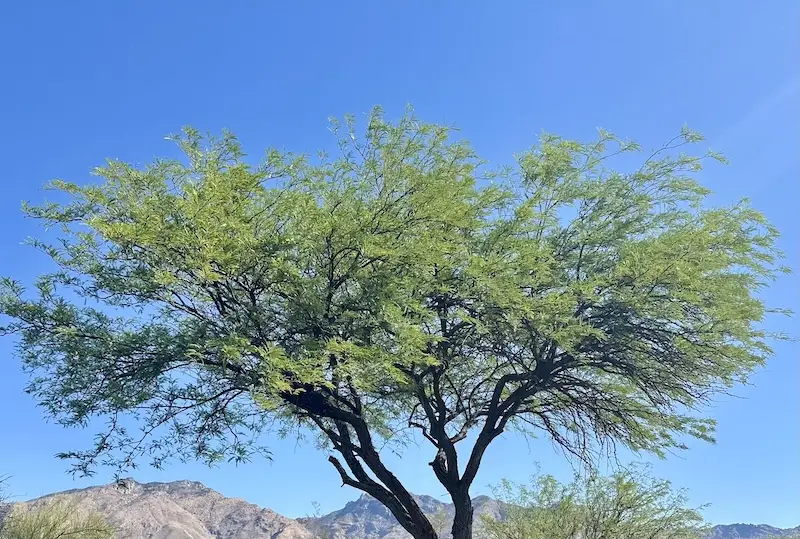
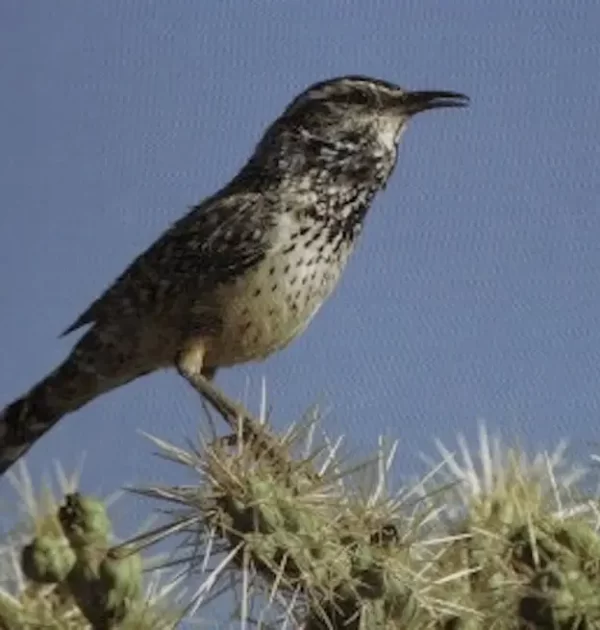
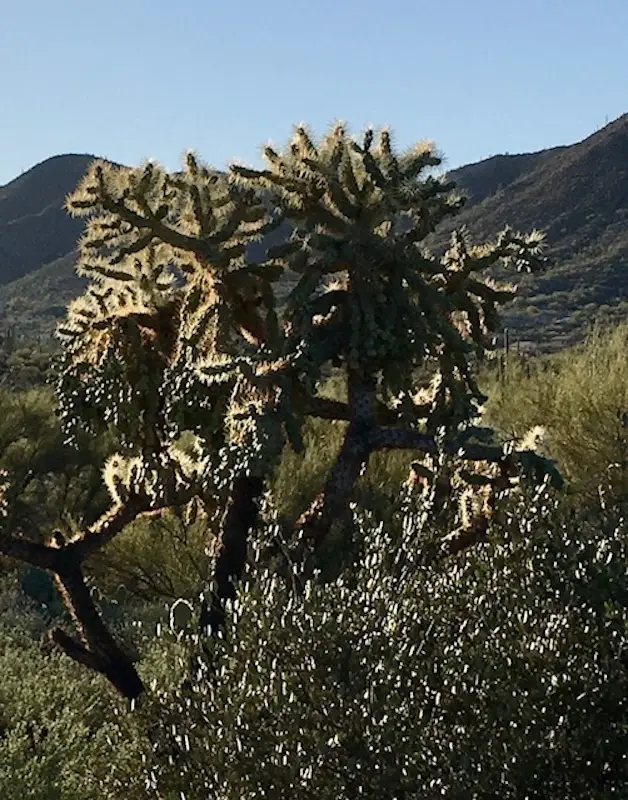
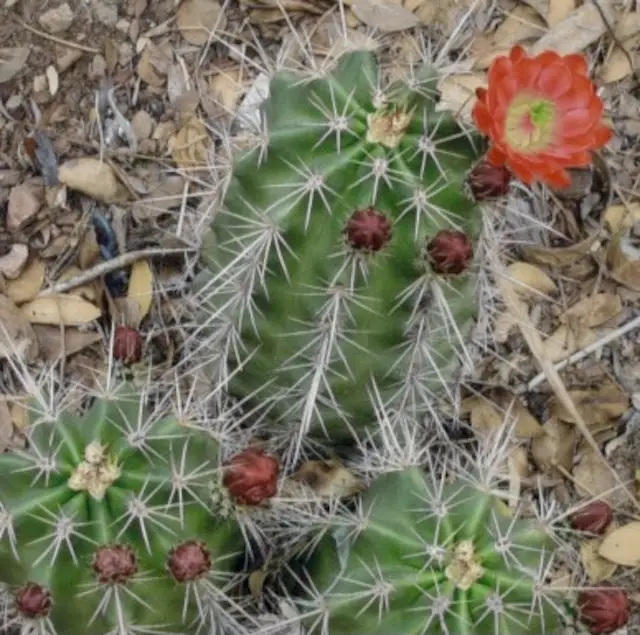
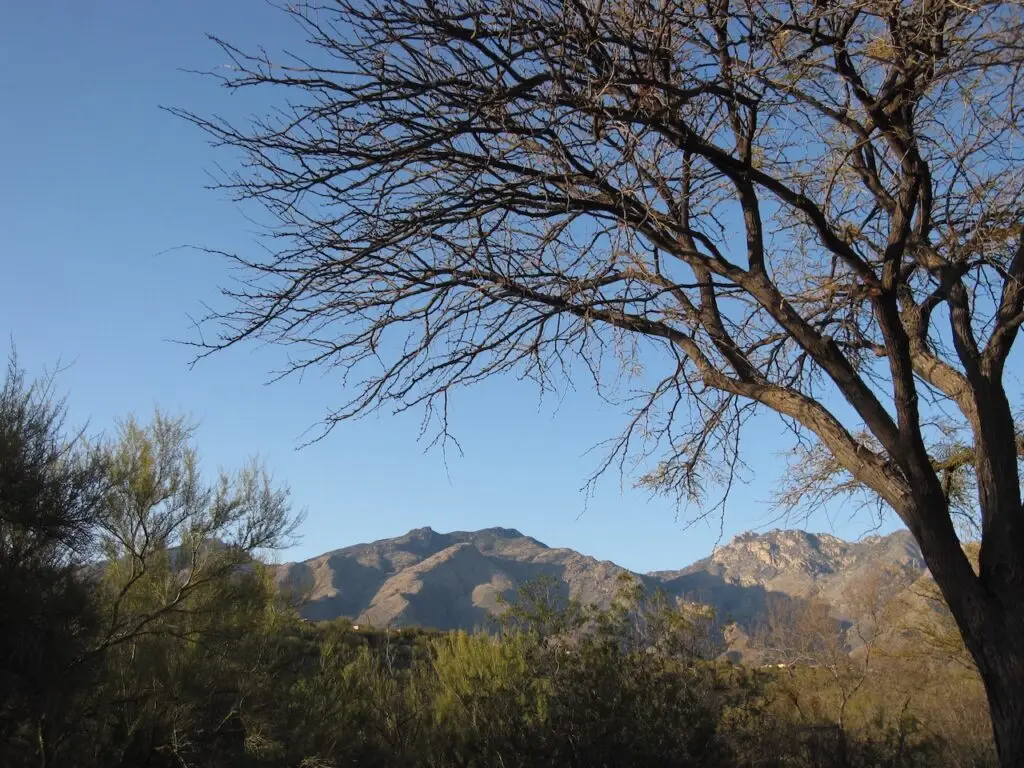
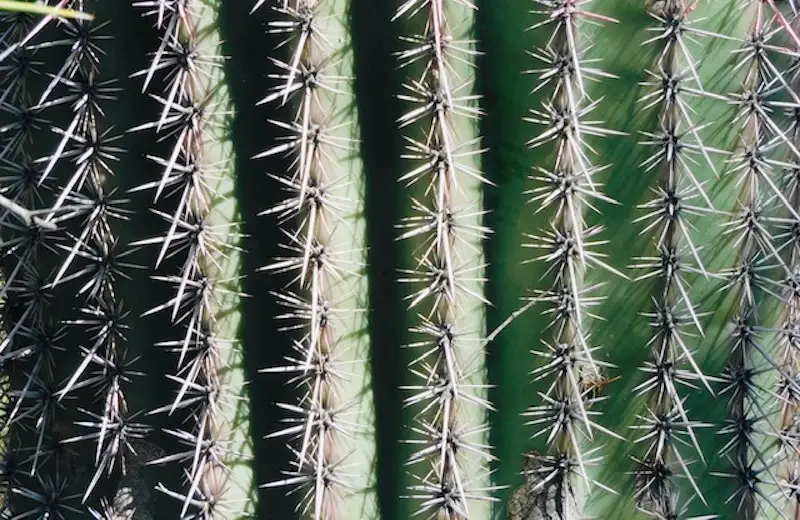
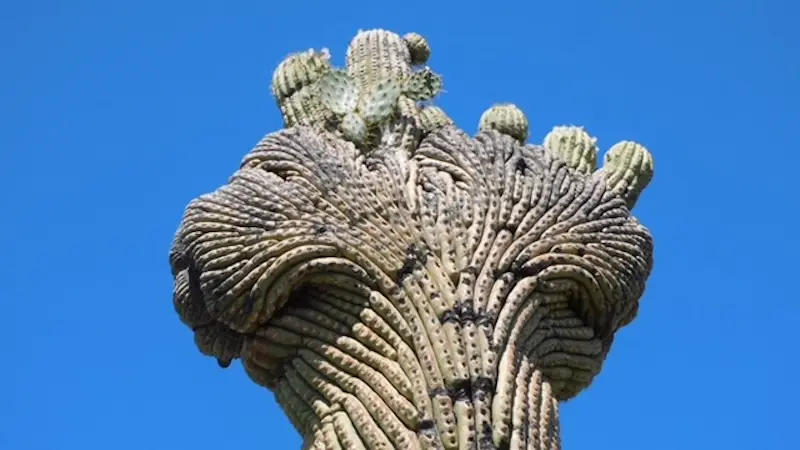
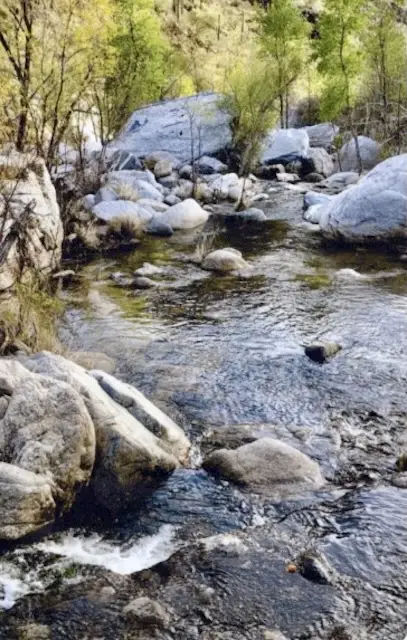
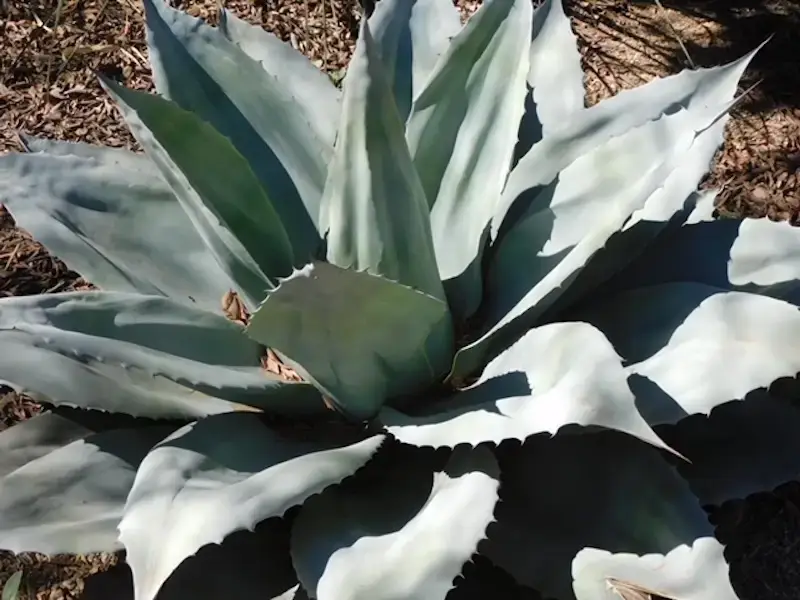
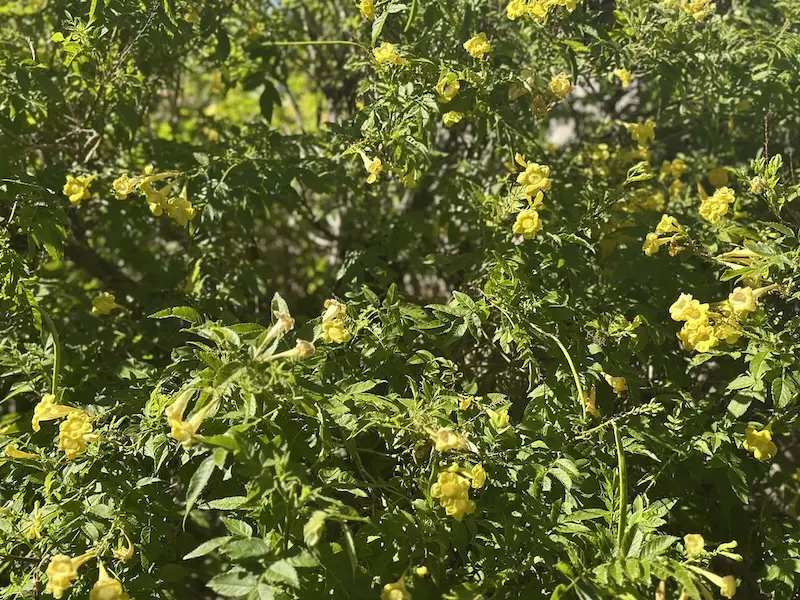
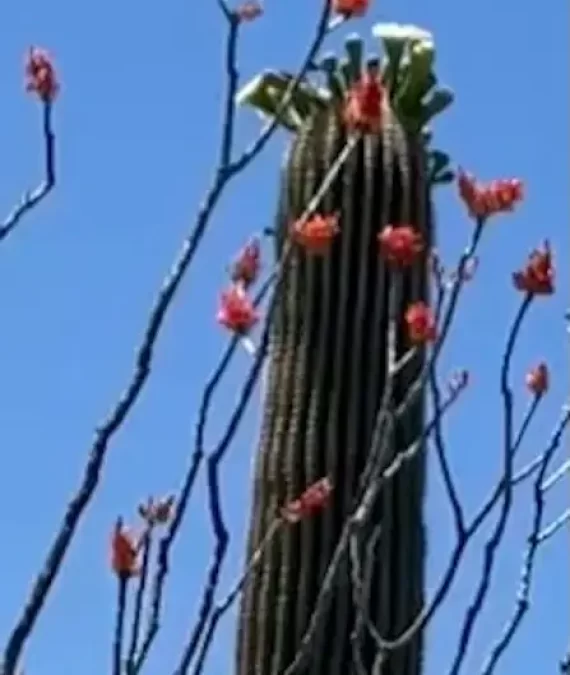
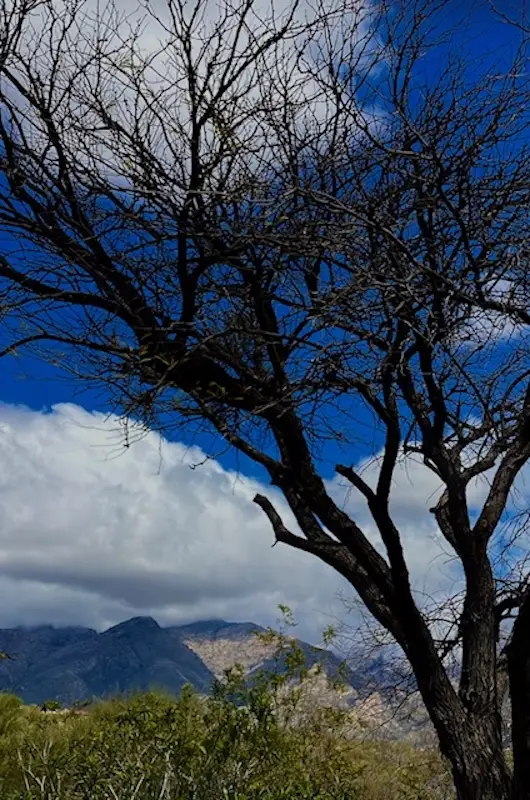
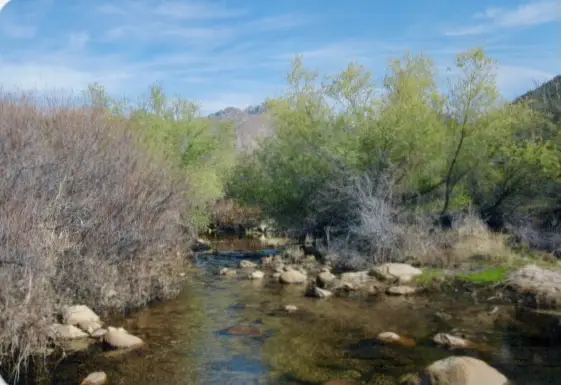
Photographers: Toni Olson, David Zeigler, Lorelie Olson and Susan Reynolds
From Tim:
Hi there and welcome fellow citizen of the earth! In this “For the Earth” post we turn to Edward Abbey for his insights chronicled in DESERT SOLITAIRE, published in 1968.Abbey, known for several books centered on the deserts of the Southwest, served as a park ranger for three seasons inARCHES NATIONAL MONUMENTS PARK.Although I’ve been a visitor to the desert, my experiences are limited to a plane, car, a tram, and short hikes. On my own, I’d soon be lost in the desert. I cherish books that expand my experience through vivid descriptionsand thorough understanding.
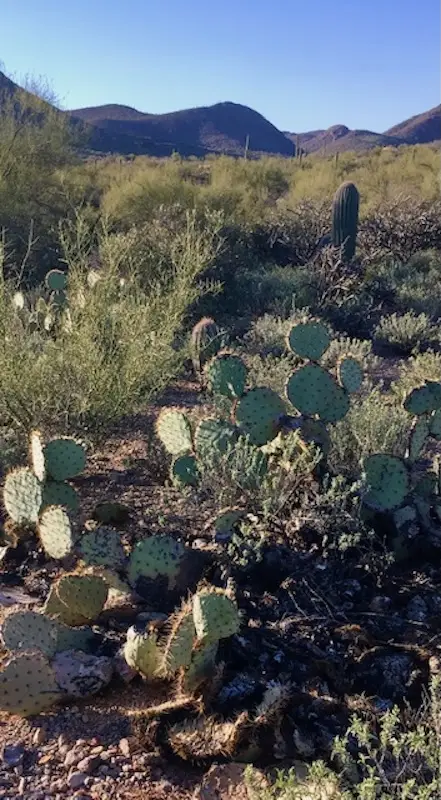
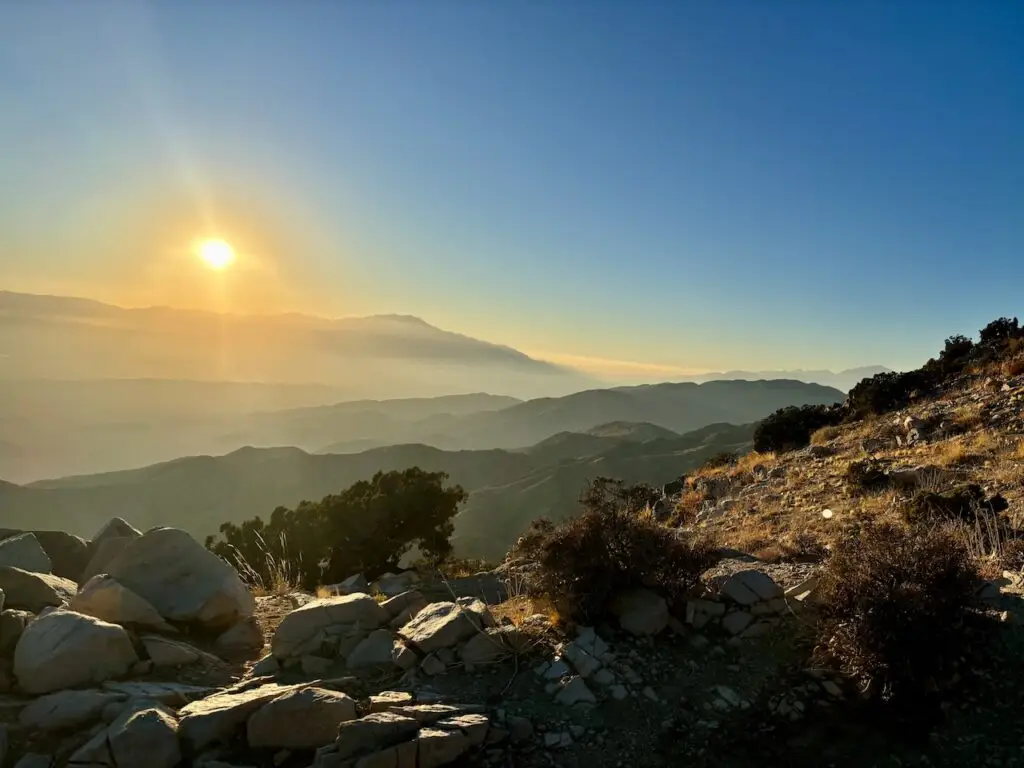
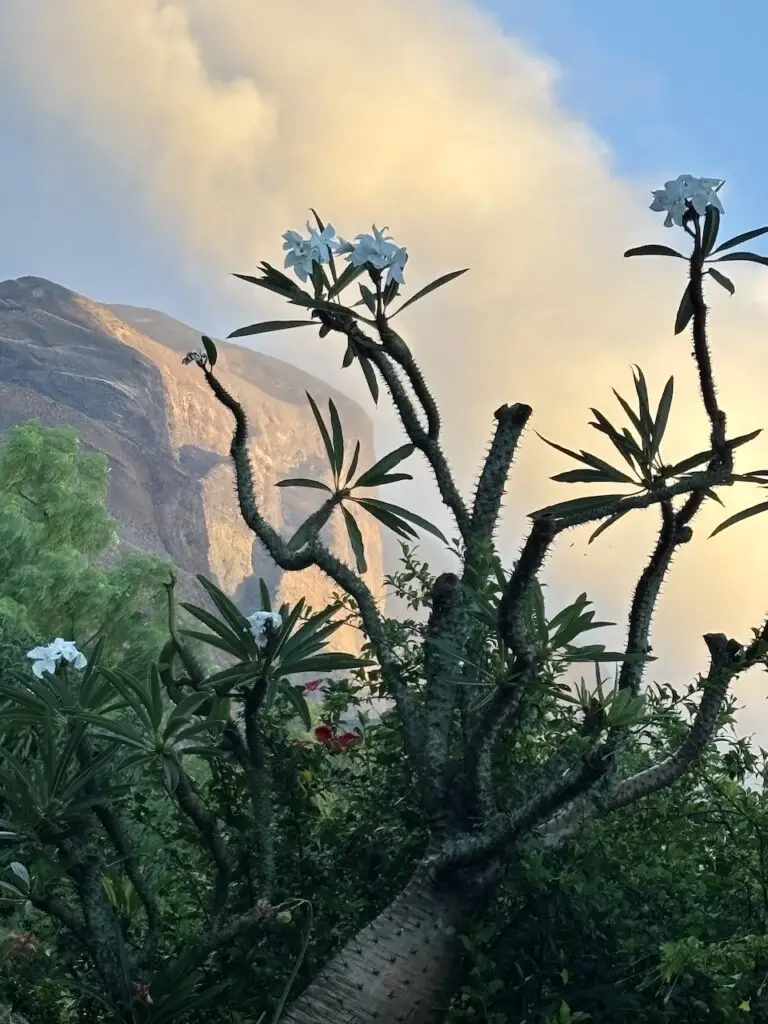
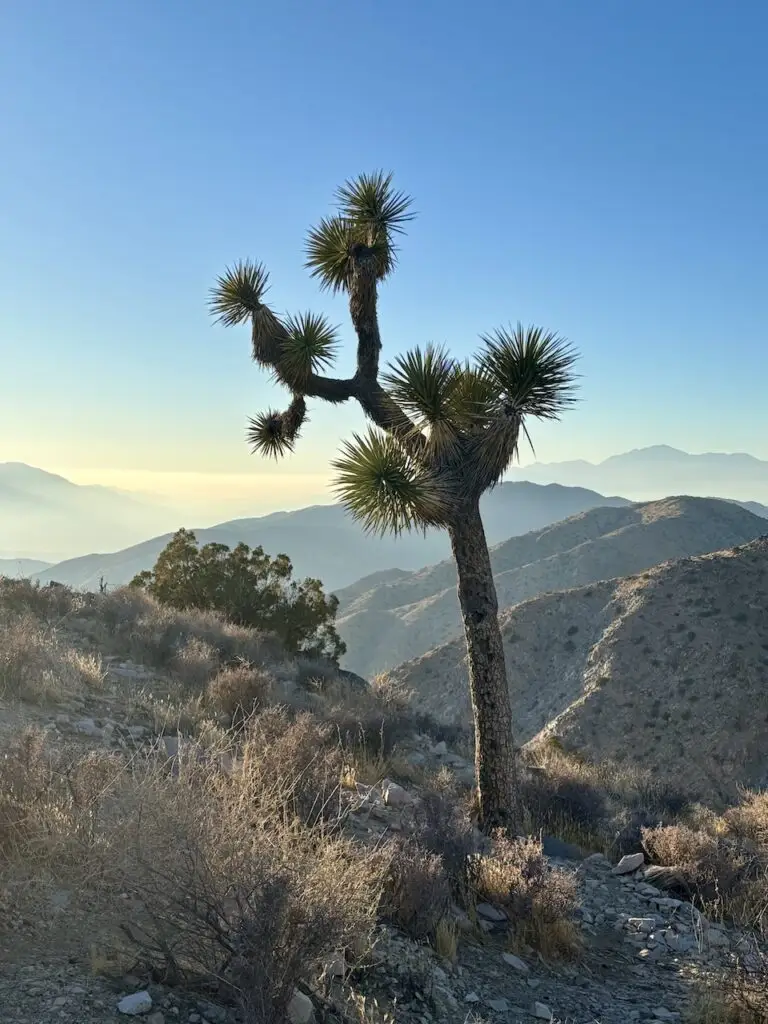
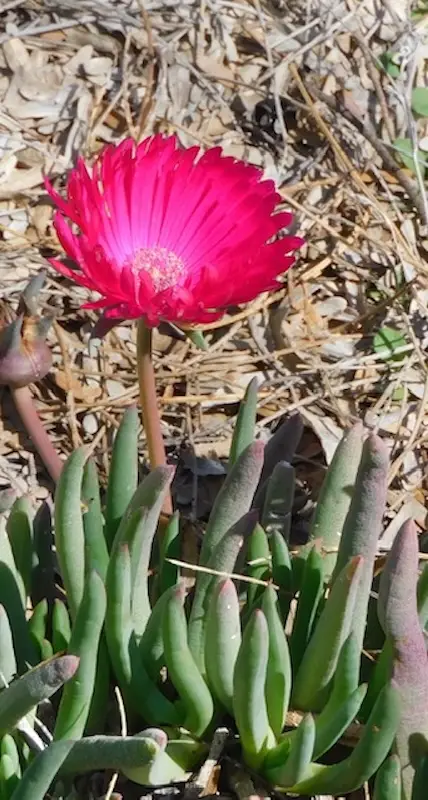
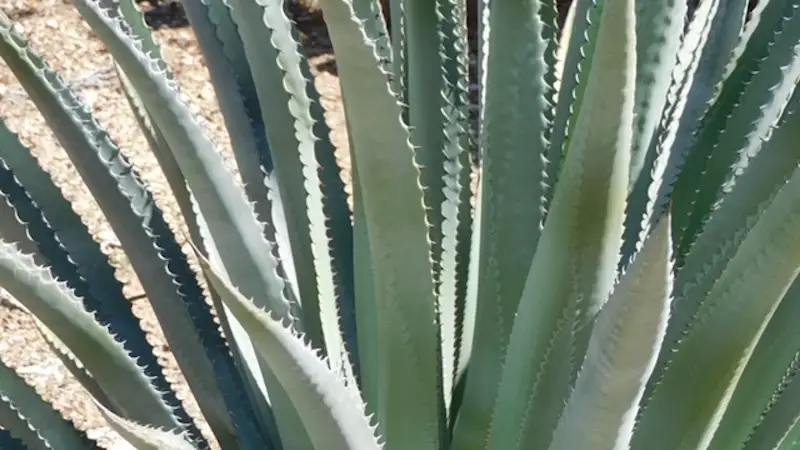
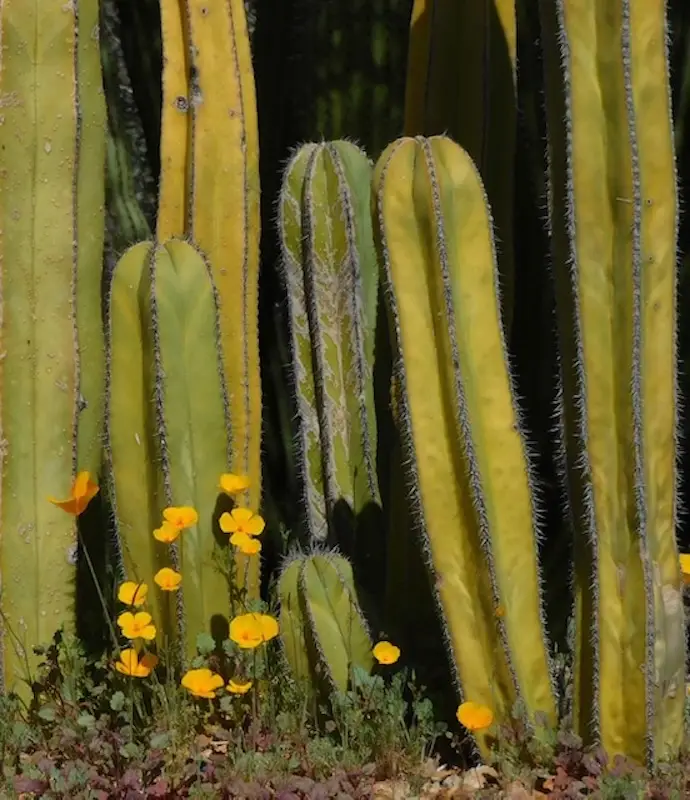
A special thanks to the photographers for their dramatic desert photos!
“DESERT SOLITAIRE is not primarily a book about the desert. In recording my impressions of the natural scene I have striven above all for accuracy, since I believethat there is a kind of poetry, even a kind of truth, in simple fact.But the desert is a vast world, an oceanic void, as deep in its way and complex and various as the sea.”
Edward Abbey
“What I have tried to do then is something a bit different. Since you cannot get the desert into a book anymore than a fisherman can haul up the sea in his nets, I have tried to create a world of words in which the desert figures more as a medium than as material. Not imitation but evocation has been the goal.”
Edward Abbey
“Here I must confess that I know nothing whatever about true underlying reality. .. . For my own part I am pleased enough with surfaces – in fact they alone seem to me to be of much importance. Such things for example as . . . the sunlight on rock and leaves, . . the bark of a tree, the abrasions of granite and sand, the plunge of clear water into a pool . . . – what else is there? What else do we need?”
Edward Abbey
But for the time being, around my place at last, the air is untroubled, and I become aware for the first time today of the immense silence in which I am lost. Not a silence so much as a great stillness – for there are few sounds: the creak of some bird in a juniper tree, an eddy of wind which passes and fades like a sigh, the ticking of the path on my wrist – slight noises which break the sensation of absolute silence but at the same time exaggerate my sense of the surrounding, overwhelming peace. A suspension of time, a continuous present.
Edward Abbey
Strange as it might seem, I found that eating my supper out back made a difference. Inside the trailer, surrounded by the artifacture of America, I was reminded insistently of all that I had left behind; the plywood walls and the dusty venetian blinds and light bulbs and the smell of butane made me think of Albuquerque. But taking my meal outsideby the burning juniper in the fireplace with more desert and mountains than I could explore in a lifetime open to view, I was invited to contemplate a far larger world, one which extends into a past and into a future without any limits known to the human kind.
Edward Abbey
A man could be a lover and defender of the wilderness without ever in his lifetime leaving the boundaries of asphalt, power lines, and right angled surfaces. We need wilderness whether or not we set foot in it. We need a refuge even though we may never go there. We need the possibility of escape as surely we need hope . . .
Edward Abbey
All men are brothers we like to say. . . . That also may be true. We are obliged, therefore, to spread the news . . .that all living things on earth are kindred.
Edward Abbey
Thank you for joining us in this desert meditation!
Lorelie and Tim
CREDITS:
Photographers:Toni Olson, Susan Reynolds, David Zeigler, Lorelie Olson